Eat Empowered Healthy Eating Tips Healthy Shopping
7 Fun, Healthy Summer Barbecue Essentials You Can Get on Amazon
Home » Eat Empowered » 7 Fun, Healthy Summer Barbecue Essentials You Can Get on Amazon
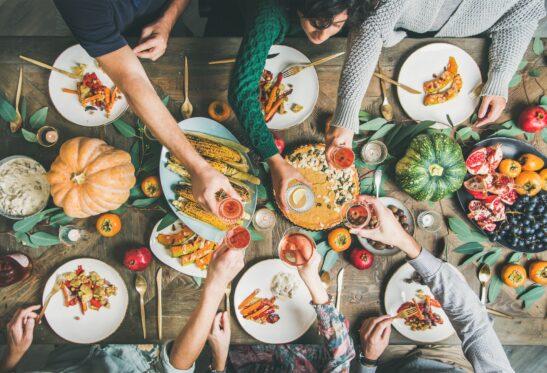
Planning on being a host-with-the-most this season? Good news: summer barbecues don’t require tons of fancy supplies.
And what you do need, you can easily get on Amazon (from the comfort of your air conditioned home or office).
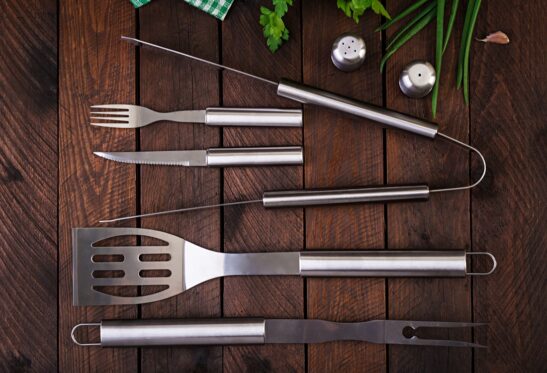
We’re not talking super basics: you already know where to find a pair of tongs and a spatula (hopefully!).
RELATED: Does Grilling Make Meat Carcinogenic?
These are our picks for essentials that will take your outdoor party up a notch, making it just a little healthier, prettier, or more delicious.
7 Summer Barbecue Essentials on Amazon
1. Veggie Grill Basket
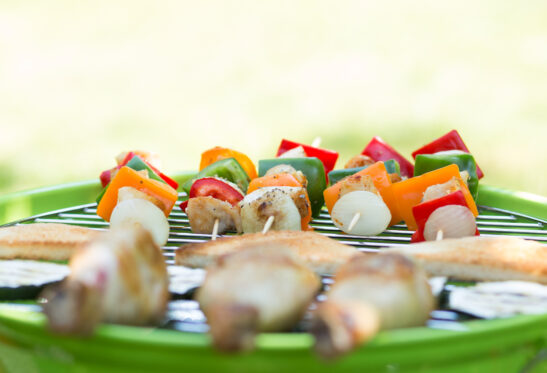
This is the tool you need to up your grilling game, taking it from all-meat to all-kinds-of-veggies. Consult this list of the best grill-friendly produce, first, for best results.
2. A Better Grill Brush
Heard about the dangers of wire brushes? Toss yours and opt for a safer alternative like this Tool Wizard that uses a mesh scrubber pad
3. Popsicle Molds
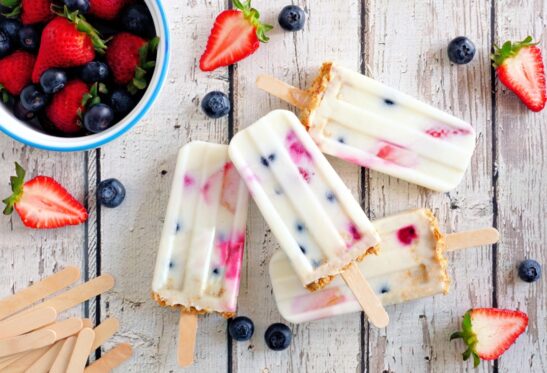
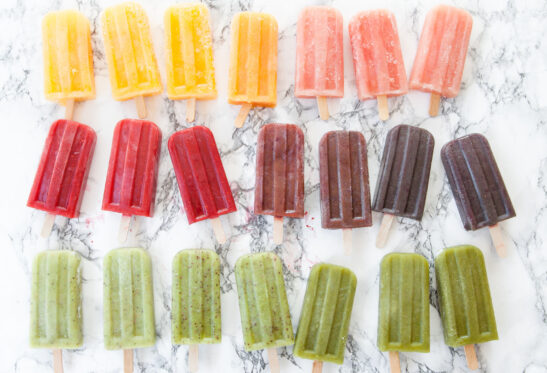
Homemade fresh, fruity popsicles are one of our favorite summer desserts, and your barbecue attendees are bound to agree. Invest in these stainless steel molds to start making your own.
4. Ice Cube Trays
Add some edible flowers or other fancy touches to your ice cubes and your barbecue beverages will look downright gorgeous. Trays like these with square cubes are especially good for entertaining.
5. Compostable Wooden Plates
Verterra makes these pretty plates that will give the table a rustic chic look and result in eco-friendly easy clean up. They’ll even help fertilize your garden (or someone else’s).
6. Globe String Lights
How to transform whatever space you have—from a tiny back patio in the city to a spacious backyard—into an outdoor party oasis? Pretty globe string lights, naturally.
7. Ceramic Hanging Planters
If it’s a city barbecue, use pretty ceramic planters like these to add some greenery to the party. It’ll be good for the aesthetics and the mood.
(Featured Photo: Shutterstock)

The Nutritious Life Editors are a team of healthy lifestyle enthusiasts who not only subscribe to — and live! — the 8 Pillars of a Nutritious Life, but also have access to some of the savviest thought leaders in the health and wellness space — including our founder and resident dietitian, Keri Glassman. From the hottest trends in wellness to the latest medical science, we stay on top of it all in order to deliver the info YOU need to live your most nutritious life.

RECENT ARTICLES


Want a sneak peek inside the program?
Get FREE access to some of the core training materials that make up our signature program – Become a Nutrition Coach.
Get Access"*" indicates required fields