 Health Resolutions Live Consciously
3 Tips to Eat Healthier and Spend Less
Home » Live Consciously » Health Resolutions » 3 Tips to Eat Healthier and Spend Less
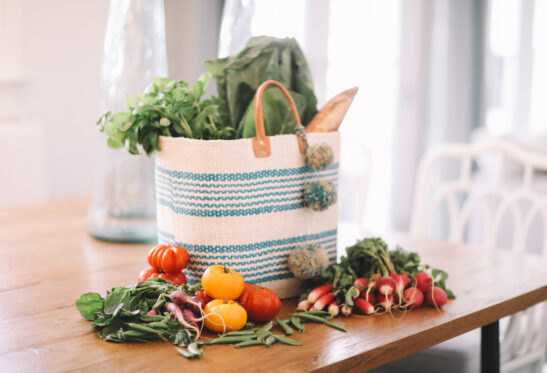
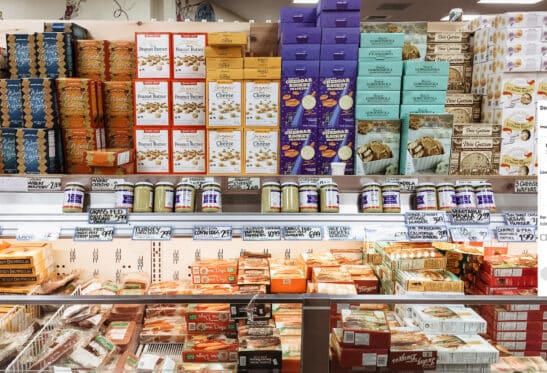
Think it’s impossible to eat organic food on a budget?
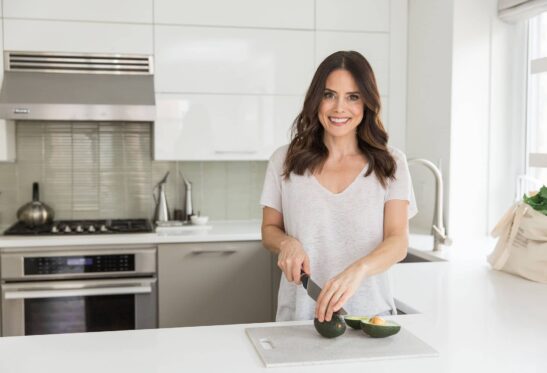
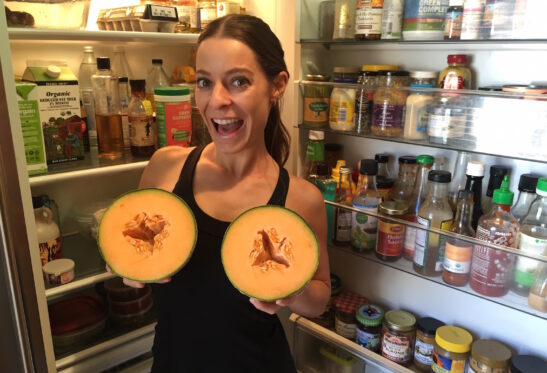
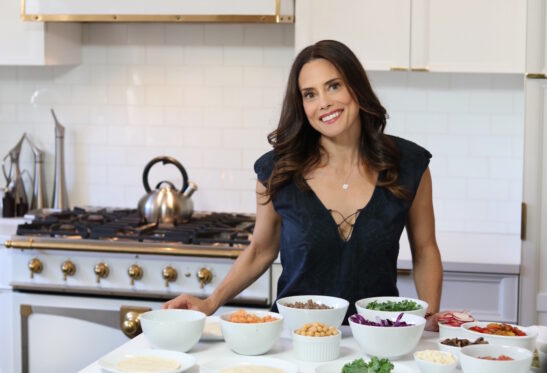
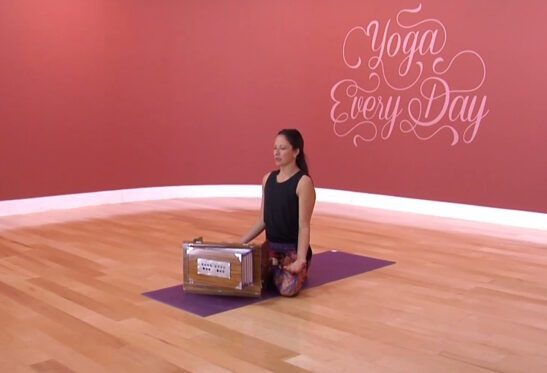
It may not be easy, but it’s definitely doable. In this video from the A Little Bit Better series—which focuses on small yet meaningful habit changes—Keri explains how you can get started.
While organic foods can be a lot more expensive than their conventional counterparts (for complicated reasons we don’t have the space to get into here!), you can make up for that price difference by making smart choices.
RELATED: Grass-Fed Beef Vs. Organic Beef: Which is Healthier?
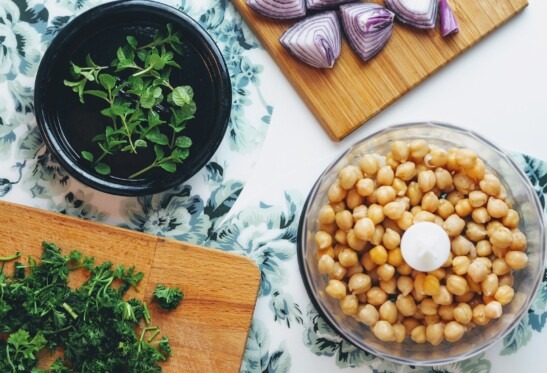
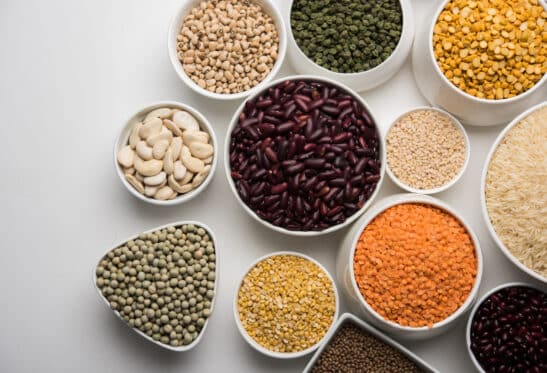
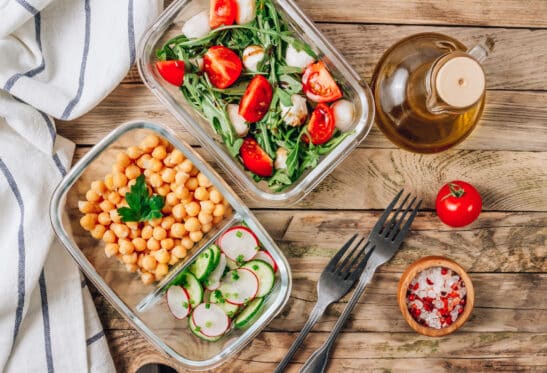
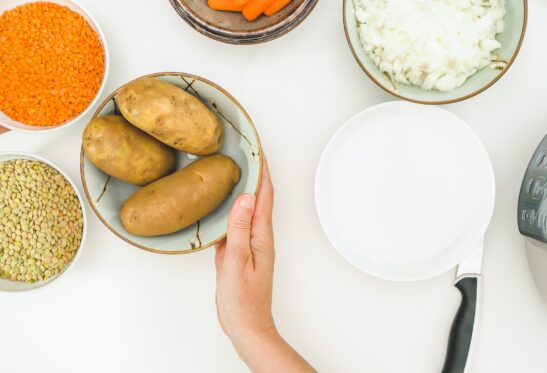
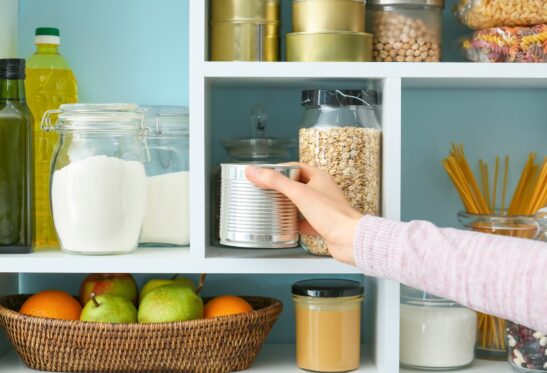
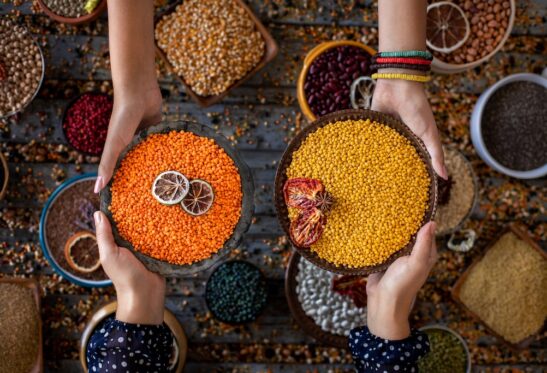
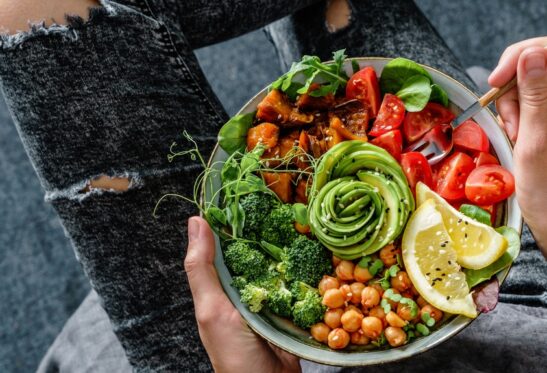
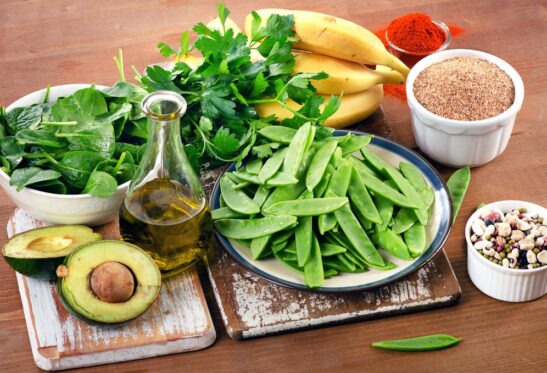
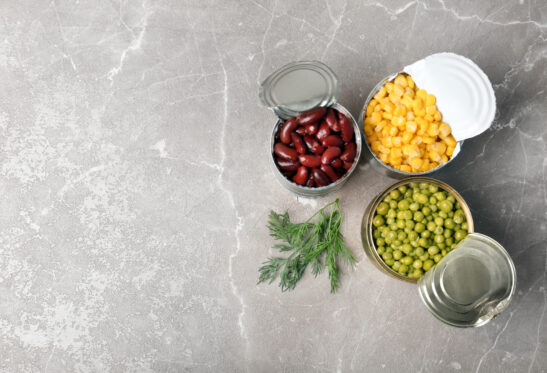
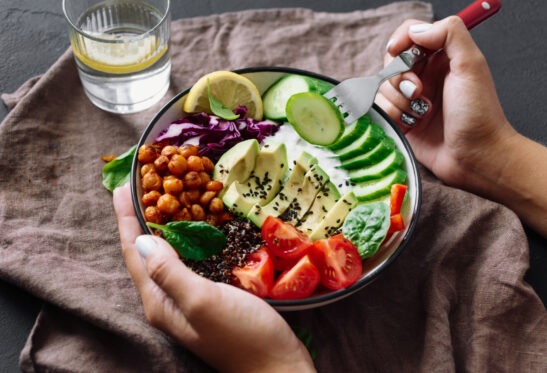
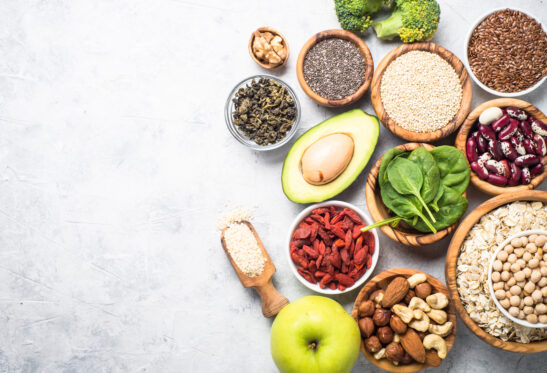
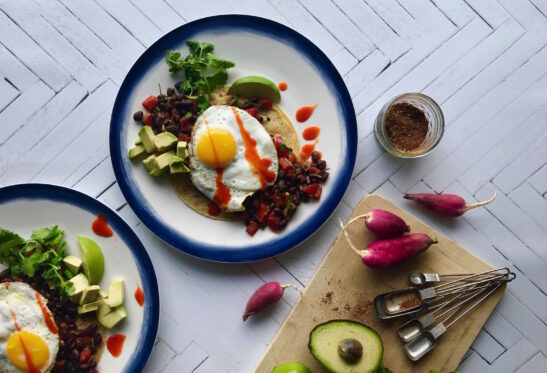
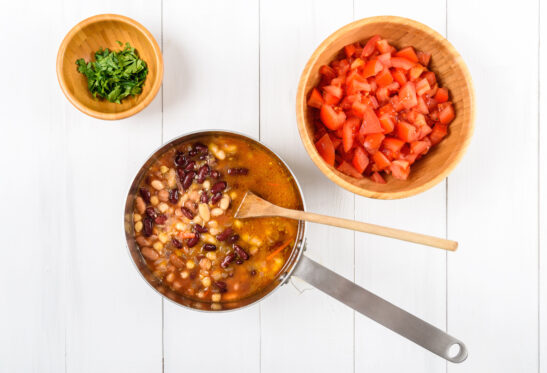
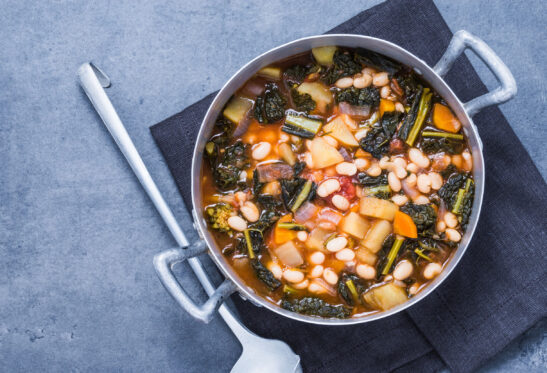
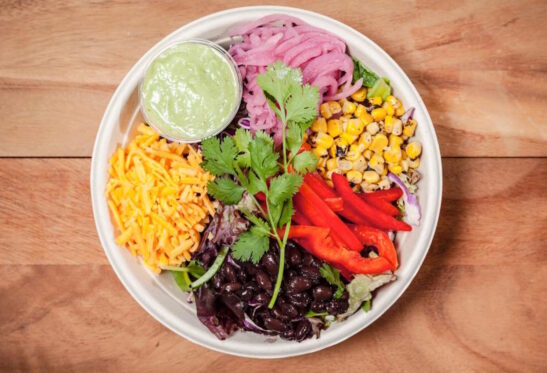
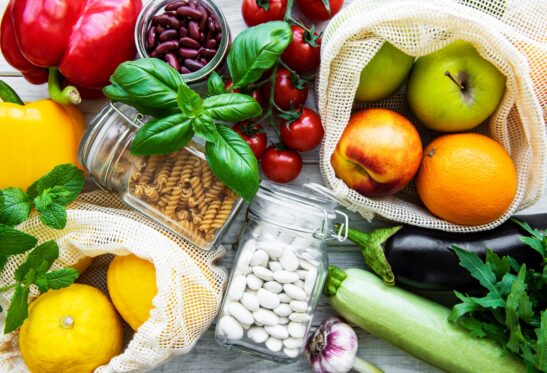
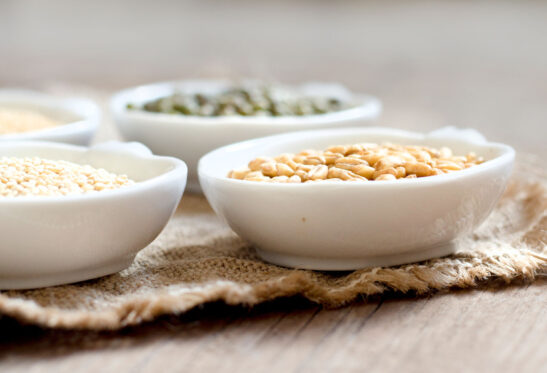
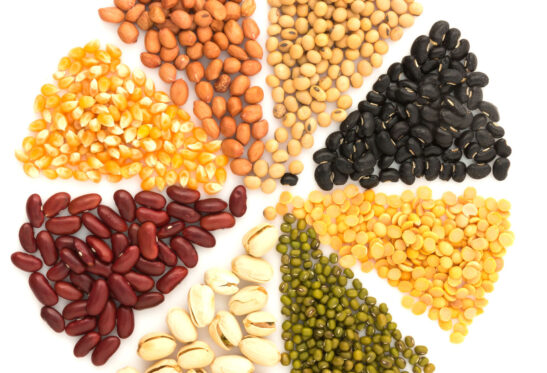
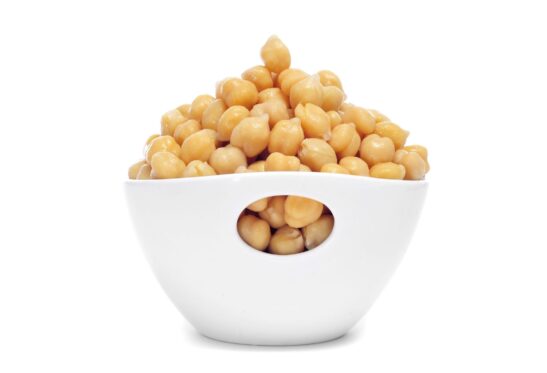
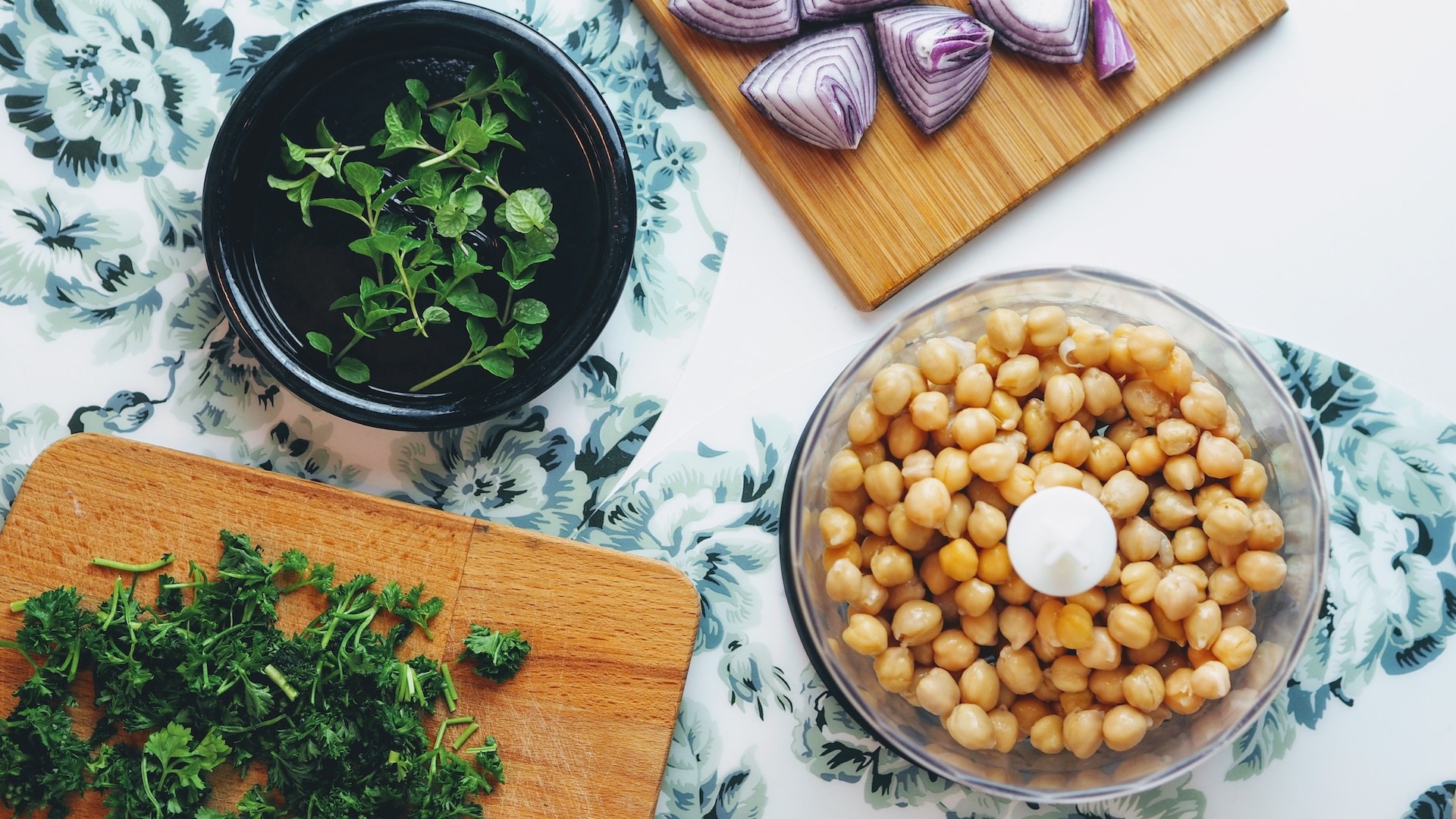
Take beans, for example. You really can’t find a more affordable source of nutrients. Whether they’re black, pinto, or garbanzo, they’re all loaded with fiber, protein, and B vitamins and are crazy cheap, even when grown organically.
RELATED: The Essential Guide to Plant-Based Protein
Get a few more simple tips by watching the video, below. As Keri says, “You don’t have to spend a fortune to eat healthy. If you shop smart, you’ll feel just a little bit better.”
3 Tips for Organic Food on a Budget

The Nutritious Life Editors are a team of healthy lifestyle enthusiasts who not only subscribe to — and live! — the 8 Pillars of a Nutritious Life, but also have access to some of the savviest thought leaders in the health and wellness space — including our founder and resident dietitian, Keri Glassman. From the hottest trends in wellness to the latest medical science, we stay on top of it all in order to deliver the info YOU need to live your most nutritious life.
DISCOVER MORE

RECENT ARTICLES




Want a sneak peek inside the program?
Get FREE access to some of the core training materials that make up our signature program – Become a Nutrition Coach.
Get Access"*" indicates required fields